Table of Contents (14 sections)
As pet owners, our main goal is to ensure the health and well-being of our beloved companions. Knowing the right practices can significantly enhance their quality of life. Here are 10 essential health tips for keeping your pets happy.
1. Regular Vet Visits
Routine veterinary check-ups are crucial for maintaining your pet's health. Regular visits can help detect potential health issues before they become serious. Vaccinations, dental check-ups, and parasite control, all play a vital role in your pet’s health. According to the American Veterinary Medical Association, pets should have a wellness exam at least once a year, and twice a year for senior pets. This proactive care can save lives and reduce long-term treatment costs.
2. Balanced Diet
What you feed your pet greatly affects their overall health. A balanced diet rich in the right nutrients is essential for vitality. Consult your veterinarian to determine the best food for your pet’s age, weight, and activity level. Some pets may require special diets due to allergies or health conditions. Quality food can contribute to a shinier coat, better digestion, and overall positive behavior.
3. Regular Exercise
Just like humans, pets need regular exercise to stay healthy. Physical activity helps pets manage their weight, reduces anxiety, and can improve their mood. Dogs require walks, and depending on the breed, some may need more rigorous activity. Cats, on the other hand, can benefit from playtime with toys. Creating a routine can ensure they get enough physical activity each day. Studies show that pets who are active tend to live longer and happier lives.
4. Mental Stimulation
Mental exercise is just as important as physical exercise. Engaging your pet with puzzles, toys, and tricks can prevent boredom and destructive behavior. Activities that require your pet to think encourage their mental health. For dogs, agility training or scent games can provide stimulating challenges. Cats might enjoy interactive toys that mimic prey. This stimulation leads to happier, less stressed pets.
5. Grooming and Hygiene
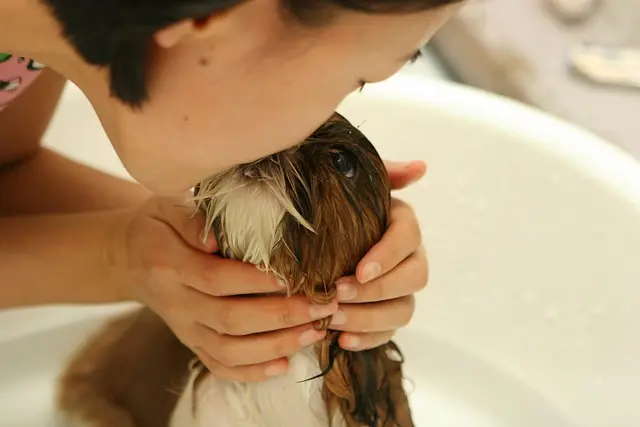
Regular grooming is essential for your pet’s hygiene. Brushing your pet helps reduce shedding, prevents matting, and allows you to spot any skin issues early on. Bathing your pet is also crucial, especially for dogs, to eliminate odors and dirt. Nail trimming is another important aspect that can prevent discomfort and health issues. Maintaining a routine grooming schedule contributes to your pet’s overall well-being.
6. Hydration
Access to clean, fresh water is vital for your pets' health. Hydration affects their digestion, circulation, and overall body functions. Ensure your pet always has water available, particularly during hot weather or after exercise. Consider providing water bowls in multiple locations to encourage drinking. Inadequate hydration can lead to health problems, particularly in cats, which are prone to urinary issues.
7. Safe Environment
Creating a safe space for your pets is essential. Pet-proofing your home involves removing hazardous materials and securing items that could cause injury. Be mindful of toxic plants and chemicals that might harm your pets. A safe environment ensures they can explore freely without the risk of harm, contributing to their happiness.
8. Social Interaction
Pets are social beings that thrive on interaction. Providing ample opportunity for socialization with other pets and people can improve your pet’s emotional health. Consider arranging playdates with other pets or visiting dog parks. For some pets, positive social experiences can reduce isolation anxiety and improve their behavior.
9. Love and Attention
Just as with humans, pets require love and attention. Regular quality time spent with your pet enhances their emotional well-being. Engage in activities they enjoy, whether that’s playing fetch or lounging together. Showing affection promotes a strong bond between you and your pet, which can significantly lessen their anxiety and improve their happiness.
10. Monitor Health Changes
Finally, keeping an eye on any changes in your pet’s behavior or health is paramount. If your pet suddenly becomes lethargic, loses appetite, or shows signs of discomfort, consult a veterinarian promptly. Early intervention can be key in diagnosing and treating any underlying health issues. Regular observations can often alert you to potential problems before they escalate.
Checklist for Pet Health Tips
- [ ] Schedule regular vet visits
- [ ] Ensure a balanced diet
- [ ] Provide regular exercise
- [ ] Engage in mental stimulation
- [ ] Maintain grooming and hygiene
- [ ] Ensure fresh water availability
- [ ] Create a safe environment
- [ ] Foster social interactions
- [ ] Spend quality time with your pet
- [ ] Monitor changes in health
📺 Resource Video
> 📺 For further insights: Discover essential pet care tips, a comprehensive guide on keeping pets healthy. Search on YouTube: pet health tips 2026.

Concord Health Supply Concord Portable Handheld Pulse Oximeter Monitor with Loud Audible Alarms and Large Color Display
concordhealthsupply.com
Glossary
| Terme | Définition |
|---|---|
| Routine vétérinaire | Visites régulières chez le vétérinaire pour surveiller la santé des animaux de compagnie. |
| Alimentation équilibrée | Un régime alimentaire comprenant tous les nutriments nécessaires à la santé des animaux. |
| Stimulation mentale | Activités qui engagent l'esprit des animaux de compagnie pour réduire l'ennui et le stress. |
---
📺 Pour aller plus loin : pet health tips 2026 sur YouTube
Recommended products
Selected by our experts

HealthyLine Rainbow Chakra Mat Large 7428 Firm - Photon PEMF Inframat Pro Third Edition
thewarmingstore.com


Sunset Healthcare Solutions Handheld Mesh Nebulizer with Rechargeable Battery
sleeplay.com