Table of Contents (11 sections)
Understanding Pet Safety
Keeping our pets safe at home involves understanding the potential hazards that exist in everyday household items and spaces. Pet safety means creating an environment where pets can thrive without the risk of injury or infection. According to a recent survey by the American Veterinary Medical Association (AVMA), about 30% of pet injuries reported yearly stem from preventable household accidents. This statistic highlights the importance of being proactive in pet safety.
Pet-Proofing Your Home
To pet-proof your home, start with some basics related to each room. Cover electrical outlets, secure loose wires, and place delicate items out of reach. Depending on your pet's size, consider baby gates for staircases. Pets are naturally curious, and without these barriers, they might explore unsafe heights or fragile accessories. The ASPCA recommends ensuring all cleaning supplies are stored in locked cabinets. Child-proof locks are just as effective for keeping your pets out of places they shouldn't be.
Choose the Right Safe Zones
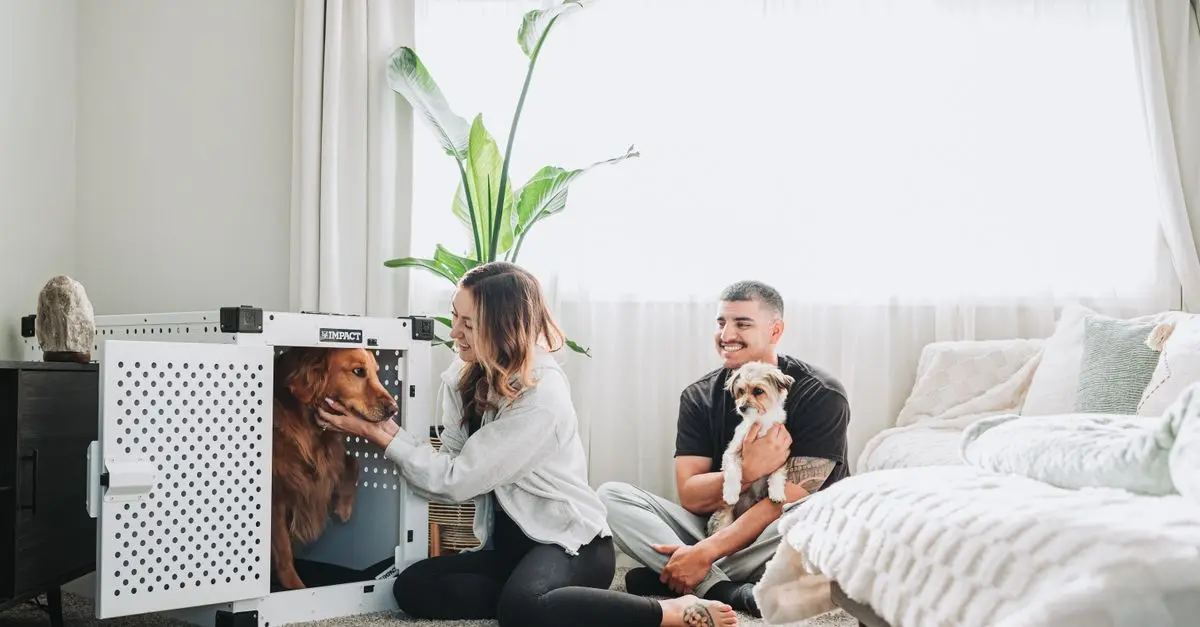
Designate safe zones for your pets where they can play and rest comfortably. These areas should include soft bedding, toys, and access to water. Avoid rooms with delicate furniture or technology. A 2025 report by PetMD cited that having a specific zone reduces stress in dogs by 40% when transitioning to new environments. Crates can provide a cozy and secure sleeping spot for dogs, while cats may prefer high spaces like shelves or window perches.
Proper Storage for Hazardous Items
Proper storage of hazardous items is crucial. Toxic substances like medications, human food that animals might find appealing like chocolate or grapes, and cleaning products should be securely stored. According to Pet Poison Helpline, calls regarding pet poisoning have spiked by 25% over the last few years, predominantly due to poorly stored substances. Keep these items in high or locked cabinets to prevent accidents.
Monitoring Outdoor Spaces
Your backyard or garden should also be part of your safety protocol. Ensure fencing is intact without gaps, as many pets like to dig. Remove or secure plants that are toxic to animals, such as lilies, azaleas, or sago palms, which can be harmful if ingested. A solid strategy is creating an outdoor safe play area with barriers like playpens or fencing specifically for your pet.
📺 Resource Video
> 📺 To explore further: "Pet Safety Essentials" provides a comprehensive analysis of home pet-proofing. Search YouTube for: "pet safety home tips video"
- What common home items are hazardous to pets?
Chocolate, medications, certain plants, and cleaning supplies can be toxic if ingested by pets.
- How can I make my home pet-safe quickly?
Start by storing hazardous items properly, securing electric outlets, and providing safe zones for play.
- What if my pet swallows something dangerous?
Contact your veterinarian immediately or call the Pet Poison Helpline.
- Should I let my pet roam freely outside?
Ensure your outdoor space is secure with appropriate fencing to prevent escapes.
Glossary
| Term | Definition |
|---|---|
| Pet Proofing | The process of securing household items to prevent accidental harm to pets. |
| Toxic Item | Substances harmful to pets if ingested, such as certain foods and chemicals. |
| Safe Zone | Designated safe areas within the home for pets to play and rest. |
Checklist
- [ ] Check electrical safety by covering outlets
- [ ] Store hazardous items securely away from pets
- [ ] Designate and maintain pet-safe zones
- [ ] Verify that outdoor fences are secure
- [ ] Keep a list of emergency contacts, like vets and helplines
💡 Avis d'expert : "The key to a safe environment for pets is constant vigilance and adapting based on the pet’s growth and environmental changes," asserts Dr. Sarah Evans, a veterinarian with over 20 years of experience in animal behavior.
🧠 Quiz rapide :** Can your pet reach hazardous items in your home?
> - A) Yes
> - B) No
> - C) Not Sure
> Réponse : B — It's essential these items are out of reach.