Table of Contents (14 sections)
As our furry friends age, their needs change significantly. Aging pets require more attention and specialized care to ensure their well-being and comfort. In this article, we'll explore essential aging pets care tips to help you enhance the quality of life for your beloved companions.
1. Regular Veterinary Check-ups
Regular veterinary visits are crucial as your pet ages. An experienced veterinarian can detect early signs of age-related conditions, such as arthritis, diabetes, or kidney disease. Regular check-ups should occur at least twice a year for seniors. According to the American Animal Hospital Association, many pets aged seven and older show signs of at least one age-related condition. Keeping up with these visits allows for timely interventions that can prolong life and improve your pet's quality of life.
2. Adapting Their Diet
Nutrition plays a crucial role in maintaining the health of aging pets. As they grow older, their metabolism changes, and they may require fewer calories. However, their nutritional needs may shift toward more joint-supporting nutrients or higher fiber. Consult with your vet to find the best diet tailored to your pet's age, weight, and health conditions. Check for pet foods specifically formulated for senior pets, as they can help manage weight and offer targeted health benefits.
3. Maintaining a Comfortable Living Space
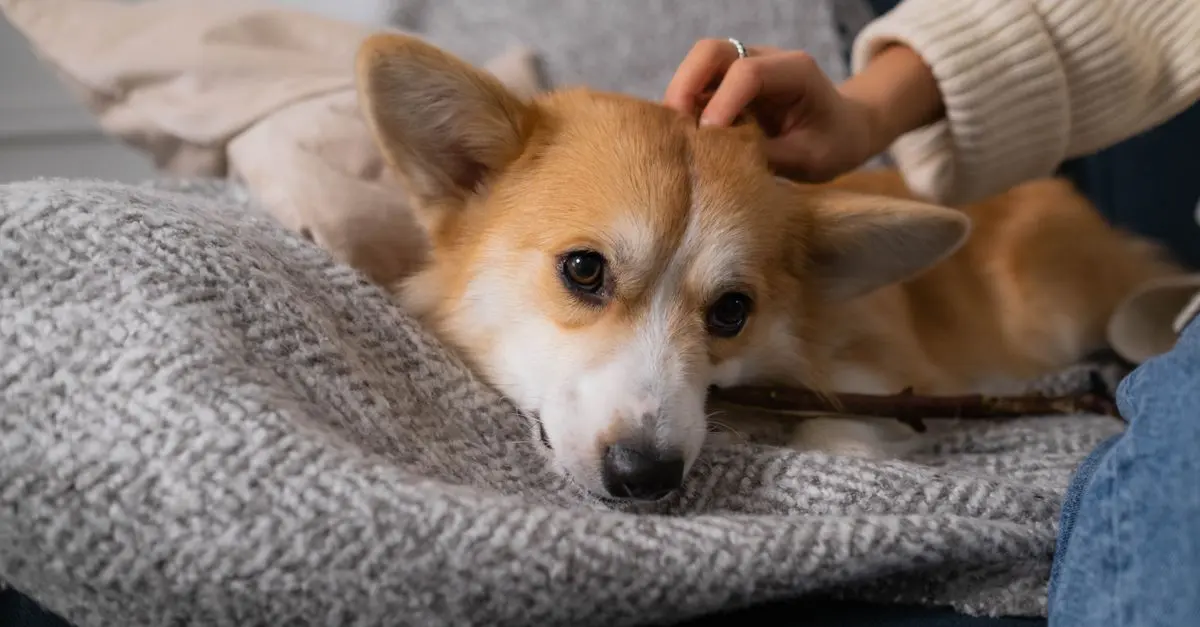
Creating a comfortable environment is essential for older pets. Ensure their resting area is warm, dry, and free from drafts. Providing a soft bed can alleviate joint pain and encourage rest. Soft blankets or raised beds help ease access for pets with mobility issues. Additionally, keeping their living space clean and organized will prevent accidents and maintain a soothing environment.
4. Encouraging Gentle Exercise
While many older pets may slow down, gentle exercise remains vital for their physical and mental health. Short walks, gentle play, or swimming can help manage weight, maintain muscle mass, and stimulate mental functioning. Tailor the exercise regime to their abilities—seeking shorter, more frequent bursts of activity rather than long sessions. Interactive toys can provide the mental stimulation they need without inducing stress.
5. Managing Pain and Discomfort
Observing your aging pet for signs of discomfort is essential. Be alert for changes in behavior such as reluctance to move, difficulty rising, or changes in appetite. Discuss pain management options with your veterinarian, including anti-inflammatory medications or supplements that can support joint health. Many pet owners find integrating these therapies leads to visible improvements in their pet's quality of life, allowing them to engage in activities they love.
6. Regular Grooming and Hygiene
Despite potentially reduced mobility, regular grooming remains important for your aging pet. Brushing helps minimize mats and keep their coat healthy. Additionally, routine dental care is essential as dental disease can lead to systemic health issues, including heart and kidney problems. You may consider gentle grooming products designed for sensitive skin, as aging pets can develop various skin conditions.
7. Mental Stimulation and Socialization
As pets age, they can become less active and social. Stimulating their mind through games, puzzles, or even basic training can keep them engaged. Social interactions with other pets and people also play a crucial role in mental health. Plan regular playdates with calm, friendly pets or introduce them to new experiences that encourage socialization in a safe environment. This approach helps prevent cognitive decline, a common concern in older pets.
8. Monitoring Behavior and Signs of Cognitive Decline
It's common for older pets to experience cognitive decline, which may lead to disorientation or behavioral changes. Regularly assess your pet’s behaviors, and consult your veterinarian if you notice any significant changes. Strategies such as maintaining a routine, using familiar scents, and providing a stable environment can support cognitive health. Engage them in simple games and tasks—experiences that foster mental activity can be particularly beneficial.
9. Proper Hydration
With aging pets, maintaining proper hydration is vital. Veterinary experts recommend ensuring that water is fresh and available at all times. Older animals may not drink as much, so consider wet food options that can provide additional moisture content. Some pets also prefer running water—consider investing in a pet-friendly water fountain to entice them to drink more frequently.
10. Providing Comfort and Affection
Finally, never underestimate the power of comfort and affection. Aging pets thrive on love and support. Spend quality time cuddling, softly speaking to them, or simply being present. They appreciate your companionship, and it can significantly enhance their overall happiness and comfort.
Checklist for Caring for Aging Pets ✨
- [ ] Schedule biannual veterinary check-ups.
- [ ] Consult about dietary needs.
- [ ] Create a comfortable living environment.
- [ ] Encourage gentle exercise.
- [ ] Monitor for signs of pain or discomfort.
- [ ] Maintain regular grooming.
- [ ] Provide mental stimulation and social interaction.
- [ ] Ensure they stay properly hydrated.
- [ ] Provide additional comfort and affection.
Glossary
| Terme | Définition |
|---|---|
| Cognitive Decline | Diminution des fonctions cognitives chez les animaux âgés, pouvant inclure des problèmes de mémoire ou de désorientation. |
| Joint Health | État de santé des articulations, souvent affaibli chez les animaux âgés et nécessitant des soins spécialisés. |
| Senior Pet Nutrition | Régime alimentaire conçu spécifiquement pour répondre aux besoins uniques des animaux âgés. |


📺 Resource Video
> 📺 For further guidance: [Expert Pet Care Tips for Older Pets], an in-depth review of effective techniques for supporting your aging pets. Search on YouTube: pet care tips for aging pets 2026.
🧠 Quick Quiz: What is the best dietary approach for aging pets?
- A) High-calorie diet
- B) Specialized senior diet
- C) Feeding only treats
Answer: B — Specialized senior diets provide essential nutrients tailored to aging pets.
By following these aging pets care tips, you enhance both their health and happiness. In their twilight years, every small gesture contributes to their well-being. For additional resources and support, consider exploring the recommended products that can aid in their comfort and care.
📺 Pour aller plus loin : pet care tips for aging pets 2026 sur YouTube
Recommended products
Selected by our experts
Be+ Skin Protect Anti-Aging Face +50 Spf 50Ml
DocMorris FR (ex DoctiPharma FR)
This anti-aging skincare product for pets helps maintain their coat and skin health, essential for older animals.
Collaging Flex & Go 390g
DocMorris FR (ex DoctiPharma FR)
Collagen supplements can support joint health, which is crucial for aging pets facing mobility challenges.
Babé HealthyAging+ Multi Action 50ml
DocMorris FR (ex DoctiPharma FR)
This multi-action moisturizer helps keep senior pets' skin hydrated, addressing common skin issues in older animals.