Table of Contents (13 sections)
Creating a pet-friendly home is essential for pet lovers who want to ensure their furry friends feel safe, comfortable, and loved. In 2026, the importance of designing a home that accommodates pets has never been more significant, especially as more people are adopting pets. This guide will encompass key strategies to help you create the ultimate environment for your pets, ensuring a harmonious coexistence between your animals and your living space.
1. Choose Pet-Safe Materials
When designing your pet-friendly home, start with selecting materials that are safe for pets. Avoid synthetic fibers that may harbor harmful chemicals. Instead, opt for natural materials such as cotton, wool, or hemp for upholstery. Hard flooring is often easier to clean than carpets, and when choosing paint, look for non-toxic options. This way, even if your pet scratches or spills something, it won’t pose a risk to their health or your sanity.
2. Create Dedicated Spaces for Pets
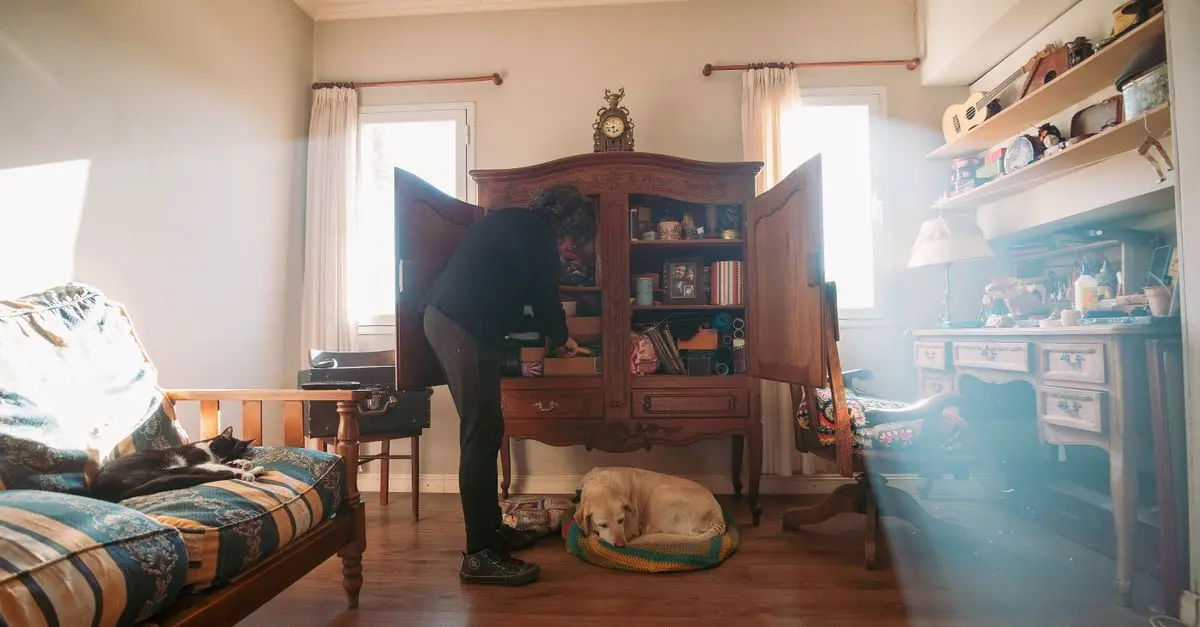
Every pet deserves its own space. Designate areas in your home specifically for your pets, including a cozy nook with a plush bed, toys, and personal items. These designated zones can help reduce anxiety, especially when your pets are alone. Consider installing pet gates to limit access to certain rooms if needed. This keeps your pets secure and allows them to feel a sense of ownership in their environment.
3. Use Quality Pet Furniture
Investing in specialized pet furniture can greatly enhance your home’s safety and style. Look for pet-friendly sofas and beds made from durable, washable fabrics that are also stylish. Brands like PetFusion or Klymit offer great options that blend with your home’s decor. Not only does this keep your furniture safe from potential damage, but it also makes cleaning up after your pets easier. Remember to consider the size and comfort of the furniture based on your pet’s needs.
4. Consider Pet-Friendly Plants
If you love greenery, ensure you choose plants that are safe for pets. Many common houseplants can be toxic to cats and dogs, such as lilies, pothos, and philodendrons. Instead, opt for pet-friendly varieties like spider plants, Boston ferns, or bamboo palms. Not only will these plants brighten your home, but they will also create a safe environment for your pets. According to a study by PetPoisonHelpline, many pet emergencies are caused by ingesting indoor plants, so make your selection wisely.
5. Install Baby Gates
Baby gates aren’t just for toddlers; they're a great investment for pet owners as well. Installing baby gates can help keep pets confined to certain areas of the house, preventing them from accessing places that may pose hazards, like kitchens or staircases. This simple solution can save you headaches and ensure that your curious pets stay safe. Choose gates that are tall enough to prevent jumping or that can easily be opened by adults.
6. Use Smart Storage Solutions
Pets come with a lot of gear, from toys to food. It’s crucial to store these items safely and neatly. Look for cabinets or chests that can hold your pet’s belongings while keeping them out of reach of your pets. Consider investing in storage bins with secure lids for items like dog food or treats to prevent curious noses from snooping. Label each bin to streamline clean-up and access, making your living space feel more organized.
7. Implement Safety Measures
Safety is paramount in a pet-friendly home. Ensure that all windows and balconies are secured, and consider installing screens to prevent falls. Use cord organizers to minimize tripping hazards created by charging cables and other electronic cords. Additionally, be mindful of small items that pets might swallow, and keep hazardous materials like cleaning products or medications well out of reach. A little precaution can greatly reduce accidents.
8. Design Comfortable Outdoor Spaces
If you have a yard, transform it into a safe and enjoyable space for your pets. Create shaded areas, and invest in durable outdoor furniture that can withstand pet wear and tear. Use pet-safe fencing to secure your yard, ensuring your pets can explore freely without the risk of escaping. According to the ASPCA, access to outdoor spaces provides pets with the physical and mental stimulation they need for a happy life.
📺 For More Information:
Check out this video on how to design a pet-friendly home! Search on YouTube: "creating a pet-friendly home 2026".
Glossary
| Term | Definition |
|---|---|
| Pet-friendly materials | Materials that are safe and non-toxic for pets, reducing their exposure to harmful substances. |
| Designated spaces | Specific areas in the home designated for pets to ensure comfort and ownership. |
| Pet-safe plants | Plants that do not pose a threat to pets if ingested. |
Checklist before creating your pet-friendly home
- [ ] Choose pet-safe materials.
- [ ] Create dedicated spaces for pets.
- [ ] Invest in quality pet furniture.
- [ ] Select pet-friendly plants.
- [ ] Install baby gates.
- [ ] Implement smart storage solutions.
- [ ] Take necessary safety measures.
- [ ] Design comfortable outdoor spaces.
📺 Pour aller plus loin : creating a pet-friendly home 2026 sur YouTube