Table of Contents (14 sections)
Introduction
Training older dogs can seem daunting, but with the right strategies, it's more than possible. Contrary to popular belief, you can teach an old dog new tricks. The key is understanding their unique needs and challenges.
Step 1: Assessing Your Dog's Health
Before embarking on a training journey, evaluate your dog's health. Older dogs might have different health issues, such as arthritis, that affect training. Consult your veterinarian for a thorough check-up and ask about any limitations. According to Veterinary Health Experts, understanding health restrictions ensures you tailor the training to your dog's capabilities.
Step 2: Setting Realistic Goals
Set achievable goals based on your dog's health and temperament. For example, teaching them to sit or stay might be more feasible than extensive agility training. Realistic goals reduce frustration for both you and your dog, fostering a positive environment for success.
Step 3: Establishing a Routine
Dogs, especially older ones, thrive on routine. Establish a consistent training schedule, such as 15-minute sessions twice a day. This regularity helps dogs learn faster as they become familiar with the pattern. It also reduces anxiety, which can be more prevalent in older dogs.
Step 4: Using Positive Reinforcement
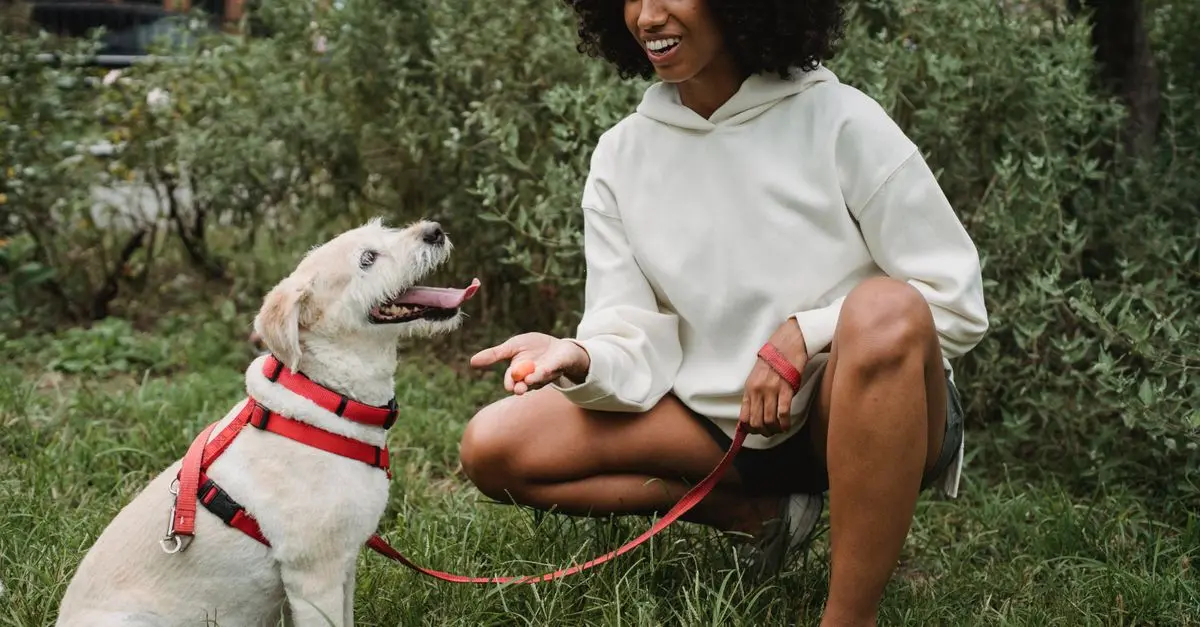
Positive reinforcement involves rewarding good behavior with treats or praise. This approach is more effective and kinder than punishment. Animal Behavior Studies show that dogs respond better to rewards, which strengthens the bond between you and your pet.
Step 5: Be Patient and Consistent
Patience is key when training older dogs. Their cognitive functions may be slower than younger dogs, but with consistent effort, they can learn new skills. Avoid changing commands or routines abruptly, as consistency helps reinforce learning.
Step 6: Socialization Strategies
Socialization is essential, even for older dogs. Introduce them to new environments and people gradually. This helps them remain adaptable and reduces anxiety in unfamiliar situations.
Step 7: Tracking Progress
Monitor progress to ensure your training methods are effective. Keep a journal of your dog's achievements and challenges. Adjust techniques as necessary to accommodate their learning pace.
Comparative Analysis
| Factor | Younger Dogs | Older Dogs | Training Focus |
|---|---|---|---|
| Energy Levels | High | Moderate | Adjust Intensity |
| Learning Speed | Fast | Moderate | Increased Repetition |
| Health Constraints | Fewer | More | Tailored Exercises |
| Socialization Needs | Basic | Continuous | Adaptability |
- Why is training older dogs important?
Training improves their quality of life and strengthens owner-dog relationships.
- How long does it take to train an older dog?
It varies based on the dog and methods, typically taking several weeks to months.
- Can you train an older dog to stop barking?
Yes, using consistent training techniques and understanding the cause of barking.
- What if my older dog doesn’t respond to training?
Consult a professional trainer for personalized strategies.
📺 Resource Video
📺 For more insights: Training Tips for Older Dogs, a comprehensive guide. Search on YouTube: "training older dogs guide".
Glossary
| Term | Definition |
|---|---|
| Positive Reinforcement | Reward-based training method promoting good behavior. |
| Socialization | Process of acclimating a dog to various environments, people, and experiences. |
| Routine | A structured set of activities performed regularly to establish familiarity. |
Checklist
- [ ] Assess your dog's health and discuss with a vet.
- [ ] Set realistic and achievable training goals.
- [ ] Establish a consistent daily routine.
- [ ] Use positive reinforcement methods.
- [ ] Maintain patience and consistency throughout training.
- [ ] Introduce your dog to new environments and social settings.
- [ ] Keep track of training progress and adjust techniques as needed.
🧠 Quiz rapide : Which method is key in training older dogs?
- A) Negative Reinforcement
- B) Positive Reinforcement
- C) Punishment
Réponse : B — Positive Reinforcement is the most effective and humane training method.