Table of Contents (13 sections)
Early puppy socialization is crucial for developing a well-behaved and balanced adult dog. This guide covers best practices in puppy socialization, providing owners with actionable steps to ensure their puppies grow to be friendly, confident, and adaptable.
Step 1: Understanding Puppy Socialization
Socialization extends beyond meeting other dogs. It's about exposing your puppy to various environments, people, sounds, and experiences to reduce fear and anxiety. Puppy socialization ideally begins as early as eight weeks and continues through the puppy's first months of life. According to The American Kennel Club, well-socialized puppies are less likely to develop behavioral issues.
Step 2: Setting a Safe Environment
Before introducing your puppy to new experiences, ensure a controlled and safe environment. Begin socialization at home by exposing them to household noises like vacuum cleaners and doorbells. Use positive reinforcement to make these experiences rewarding. The Humane Society of the United States suggests starting with gentle exposure and gradually increasing the intensity.
Step 3: Meeting New People
Introduce your puppy to different people — from adults to children — in a positive and controlled manner. Encourage great interactions with treats and praise to build positive associations. Avoid overwhelming your puppy with large groups initially, which could lead to stress and anxiety.
Step 4: Interacting with Other Dogs
Socializing your puppy with other dogs is essential. Arrange playdates with vaccinated and well-behaved dogs. Observe body language to prevent negative experiences. Monitor play to ensure interactions remain positive and fun for all dogs involved.
Step 5: Exploring New Environments
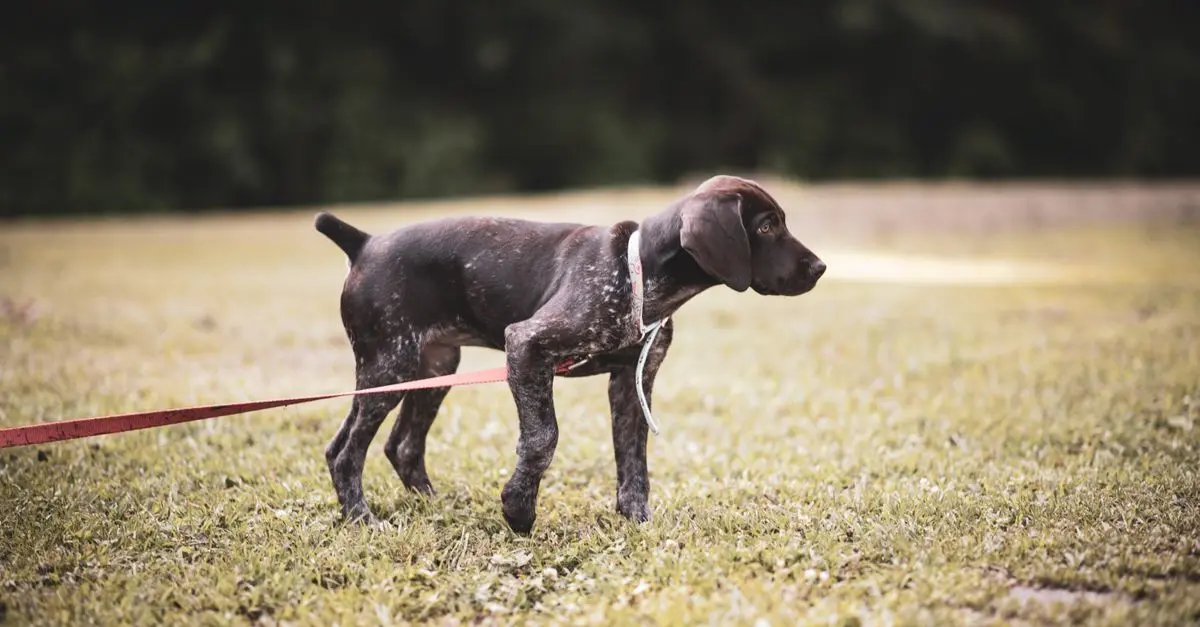
Expose your puppy to different settings like parks, streets, and cafes. Each new environment presents opportunities to socialize and adapt. Use a secure leash and harness for safety, and gradually introduce them to each setting.
📺 Resource Video
> 📺 For further insights: Puppy Socialization: Creating the Best Experiences, a comprehensive analysis of methods. Search on YouTube: "puppy socialization tips and techniques".
Step 6: Handling Various Situations
Acclimate your puppy to situations such as veterinary visits and grooming. Touch your puppy’s paws and ears regularly to prepare them for handling by others. According to PetMD, early and frequent exposure to these situations improves your puppy's comfort level.
Step 7: Avoiding Common Mistakes
Avoid overwhelming your puppy. Gradual exposure is key. Never force them into situations they're scared of as it can create lifelong fear associations. Instead, encourage exploration at their own pace.
Step 8: Checklist Recap
- [ ] Introduce household noises gradually.
- [ ] Reward positive encounters with people.
- [ ] Arrange safe dog playdates.
- [ ] Explore various environments.
- [ ] Prepare for visits and grooming.
Table Comparison of Socialization Techniques
| Technique | Age to Start | Duration | Key Benefit |
|---|---|---|---|
| Home Noise Exposure | 8 weeks | Ongoing | Builds resilience to sounds |
| Social Meetings | 8-12 weeks | Weekly | Enhances sociability |
| Environmental Exploration | 10 weeks | Weekly | Reduces anxiety in new places |
| Handling Acclimation | 8 weeks | Bi-weekly | Eases veterinary experiences |
Glossary
| Term | Definition |
|---|---|
| Positive Reinforcement | Rewarding desired behavior to encourage its recurrence. |
| Fear Aggression | Fear-induced defense behavior in dogs. |
| Acclimation | Gradual adjustment to new environments or situations. |
- What is the best age to start puppy socialization?
- Begin as early as eight weeks, during your puppy's critical development period.
- How do I handle my puppy's fear during socialization?
- Use positive reinforcement and gradual exposure to build confidence.
- Why is socializing with other dogs important?
- It helps your puppy learn appropriate canine communication and reduces fear responses.
- Can an unsocialized puppy catch up later?
- While early socialization is optimal, older puppies and dogs can still benefit from controlled socialization experiences.
💡 Quiz rapide : [When should puppy socialization ideally begin?]
- A) 8 weeks
- B) 12 weeks
- C) 16 weeks
Réponse : A — Starting at 8 weeks is ideal as it coincides with a crucial developmental period.