Table of Contents (10 sections)
Introduction
In the realm of pet ownership, ensuring your pet's health is not just a responsibility but an act of love. Regular vet visits for pets are paramount to maintaining their well-being and catching potential health issues early. By proactively managing your pet’s health, you contribute to their longevity and quality of life.
INFORMATIONAL: Understanding the Importance of Regular Vet Visits
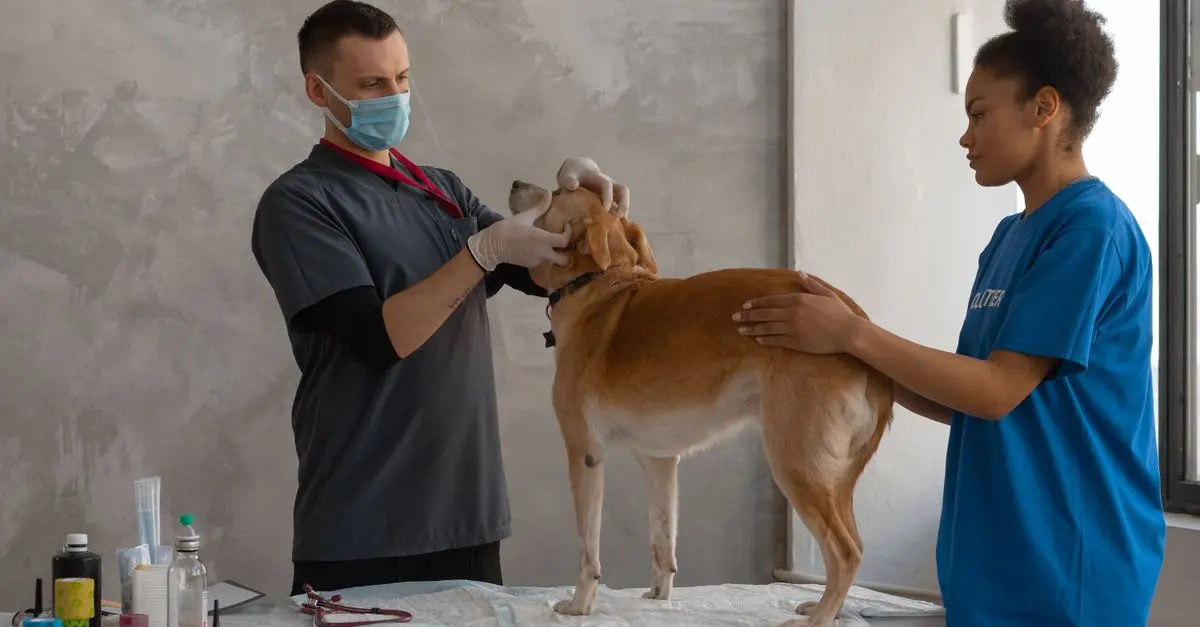
Regular veterinary visits are essential because they enable early detection of health issues, comprehensive care, and preventive healthcare. According to the American Veterinary Medical Association (AVMA), routine check-ups can increase the lifespan of pets by detecting conditions such as dental disease, obesity, and arthritis early on. These visits also provide the opportunity to update vaccinations and discuss any behavioral changes you might notice in your pet.
💡 Avis d'expert: Dr. Julia Anderson, an esteemed veterinarian, emphasizes, "Proactive health care through regular veterinary visits ensures that pets receive the necessary vaccinations, nutritional advice, and health screenings that contribute to a fuller life."
PROCEDURAL: How to Prepare for a Vet Visit
Ensuring a smooth veterinary visit involves a few preparatory steps:
- Gather Medical Records: Bring any past health records of your pet.
- Observe Behavior: Note any unusual behavior for discussion.
- Transportation: Ensure a stress-free transport for your pet.
- Questions and Concerns: Prepare a list of questions about your pet's diet, habits, and recent changes.
- Medication Reminder: Note down any medications your pet is currently taking.
This preparedness enhances the efficiency of your visit and the quality of care your pet receives.
COMPARATIF: Choosing the Right Vet for Routine Check-ups
Deciding on a veterinary service is crucial for regular check-ups. Consider the following factors:
| Criterion | Option A | Option B | Option C | Verdict |
|---|---|---|---|---|
| Location | Nearby | Distant | In-between | Nearby |
| Costs | Expensive | Affordable | Moderate | Moderate |
| Specialization | General | Specialized | Both | Both |
| Reviews | Excellent | Average | Good | Excellent |
ANALYTIQUE: Statistics on Pet Health and Vet Visits
Statistics underscore the importance of regular vet visits. According to the Pet Obesity Prevention Organization, approximately 60% of cats and 56% of dogs are overweight in the U.S. Regular vet visits can mitigate these statistics by offering nutritional advice and weight management solutions. Furthermore, the AVMA reports that pets who receive annual health checks live longer, healthier lives by benefiting from early disease detection.
📺 Resource Video
> 📺 For further insights: The Importance of Vet Visits for Pets, an in-depth analysis of pet healthcare. Search YouTube: "importance of regular vet visits for pets"
- Why are regular vet visits important for pets?
Regular visits help detect health issues early, update vaccinations, and provide nutritional advice.
- How often should pets go to the vet?
Annually for health check-ups; more frequently for older pets or emergencies.
- What should I bring to a vet visit?
Medical records, behavioral notes, and current medications.
- How can I make vet visits less stressful for my pet?
Use familiar carriers and provide a calm and reassuring presence.
## Glossary
| Term | Definition |
|---|---|
| Vaccination | The administration of a vaccine to help prevent disease infection. |
| Preventive Care | Measures taken to prevent disease rather than treat it. |
| Behavioral Changes | Alterations in an animal's normal behavior, which may indicate health issues. |
Checklist for Pet Health Management
- [ ] Confirm upcoming veterinary appointment
- [ ] Update pet's medical records
- [ ] Prepare questions for the vet
- [ ] Assemble transportation and comfort materials
- [ ] Review and administer any prescribed medications
Conclusion
Conclusively, committing to regular vet visits ensures your pet remains healthy and happy. Awareness and proactive care can lead to improved health outcomes and a joyful pet ownership experience.