Table of Contents (11 sections)
Pet anxiety is a common issue that affects many animals, including dogs and cats. This condition arises from various factors, including environmental changes, separation from their owners, loud noises, or traumatic experiences. According to the American Society for the Prevention of Cruelty to Animals (ASPCA), approximately 30% of pets show signs of anxiety in some situations. Recognizing the signs of anxiety is the first step toward helping your pet feel more secure. These can include excessive barking, destructive behavior, hiding, or changes in appetite. Understanding the root causes of anxiety is essential to implement effective pet anxiety solutions and provide your beloved pet with the comfort they need.
Causes of Pet Anxiety
Several underlying factors contribute to pet anxiety. One common cause is changes in the environment. Moving to a new house, adopting a new pet, or even rearranging furniture can create a sense of instability for pets. Additionally, some pets are more predisposed to anxiety due to their breed or past experiences, such as abuse or neglect. Separation anxiety is also prevalent, particularly in dogs that have developed a strong bond with their owners. Sounds such as fireworks or thunderstorms can induce fear in animals, leading to anxiety. Studies indicate that certain breeds like Border Collies and German Shepherds may be more prone to anxiety disorders, emphasizing the importance of tailored solutions. Understanding these factors can help owners implement suitable strategies and pet anxiety solutions.
Effective Strategies for Managing Pet Anxiety
Creating a Safe Space
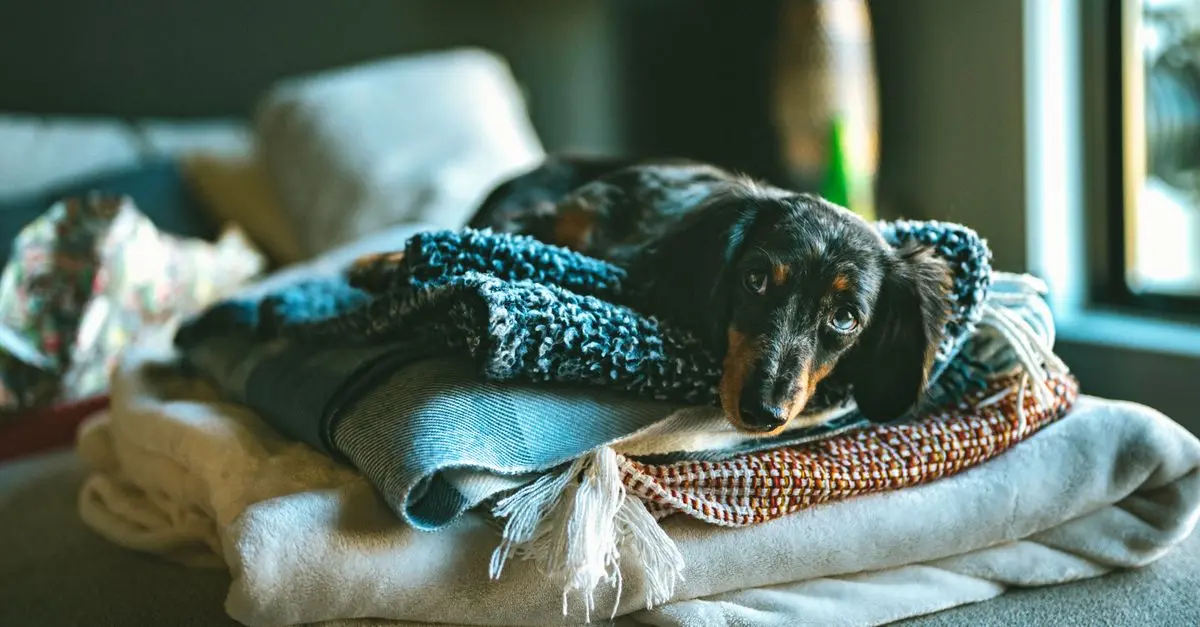
One of the most effective pet anxiety solutions is to create a dedicated safe space for your pet. This area should be quiet, comfortable, and away from high-traffic zones in your home. Use soft bedding, familiar toys, and items that have a comforting scent. A safe space helps pets retreat when feeling overwhelmed or anxious. You might also consider adding calming pheromone diffusers to this area, which can mimic natural scents and promote relaxation. According to findings from the Journal of the American Veterinary Medical Association, the use of pheromone products can reduce anxiety-related behaviors in dogs and cats. It’s beneficial to consistently offer access to this space, so your pet learns it’s a place to seek comfort during stressful times.
Training and Desensitization Techniques
Training your pet to handle anxiety-inducing situations can also be effective. Gradual desensitization involves exposing your pet to the source of their anxiety at a low intensity, progressively increasing the exposure over time. For instance, if your dog is afraid of loud noises, play recordings of thunder at a low volume while providing treats and praise. Over time, your pet may become less reactive to those sounds. Incorporating basic training commands helps build your pet’s confidence. Positive reinforcement techniques encourage good behavior and reduce anxiety over time. Resources such as the American Kennel Club offer excellent insights into training methodologies that can benefit anxious pets.
Sports Licensing Solutions 3 ft. W X 3 ft. L Black Anti-Fatigue Rubber Utility Mat
acehardware.com

Sunset Healthcare Solutions Handheld Mesh Nebulizer with Rechargeable Battery
sleeplay.com

Comparative Overview of Common Pet Anxiety Solutions
| Strategy | Effectiveness | Time Commitment | Cost | Verdict |
|---|---|---|---|---|
| Safe Space | High | Low | Low | Highly recommended |
| Calming Products (e.g., Phrenomones) | Moderate | Medium | Moderate | Recommended |
| Training & Desensitization | Very High | High | Low-Moderate | Essential |
| Professional Help (Therapists) | High | High | High | Recommended for severe cases |
This table helps demonstrate the ranges of effectiveness and time investment associated with different solutions. It can guide pet owners in selecting the best approach based on their circumstances.
Expert Insights on Pet Anxiety
> 💡 Expert Opinion: According to Dr. Sophia Yin, a well-known veterinarian and animal behaviorist, understanding your pet’s body language can help identify anxiety triggers. Not only does this improve communication, but it also enhances your ability to respond appropriately. Techniques such as providing a consistent routine and engaging in regular exercise are crucial in managing anxiety. Exercise releases endorphins that can help reduce anxiety levels, helping pets feel more at ease.
Frequently Asked Questions About Pet Anxiety
- What are the signs of anxiety in pets?
Signs of anxiety include excessive barking, destructive behavior, hiding, and changes in appetite. Always consult with a veterinarian if you suspect anxiety.
- Can anxiety in pets be treated?
Yes, anxiety can be treated with various solutions, including environmental adjustments, training, and calming products.
- When should I seek professional help for my pet's anxiety?
If your pet’s anxiety is severe, persistent, or causing harm to themselves or others, it is crucial to seek help from a professional.
- Are there specific breeds more prone to anxiety?
Yes, breeds such as Border Collies and German Shepherds can be more susceptible to anxiety disorders, making understanding potential challenges essential for these pet owners.
📺 Resource Video
> For further insights: Understanding and Managing Pet Anxiety, where we delve into additional methods and real-life examples. Search for: pet anxiety solutions 2026.


Clinique Blackhead Solutions 7 Day Deep Pore Cleanse & Scrub for All Skin Types - 125ml
clinique.com
Checklist Before Implementing Pet Anxiety Solutions
- [ ] Identify signs of anxiety in my pet
- [ ] Create a safe space for my pet
- [ ] Consider calming products available
- [ ] Research training techniques for my pet
- [ ] Schedule a vet appointment if necessary
Glossary
| Term | Definition |
|---|---|
| Separation Anxiety | A condition in which pets exhibit stress while separated from their owners. |
| Desensitization | A training method used to reduce fear and anxiety in pets by gradually exposing them to their anxiety triggers. |
| Pheromones | Natural chemical substances produced by animals used to communicate within the same species, including stress signals in pets. |
Our recommendations include several selected products tailored to assist with managing and alleviating your pet's anxiety. Explore the features below.
📺 Pour aller plus loin : pet anxiety solutions 2026 sur YouTube
Recommended products
Selected by our experts


Clinique Redness Solutions Makeup Broad Spectrum SPF 15 With Probiotic Technology, Calming Honey - 1 fl. oz./30 ml
clinique.com