Table of Contents (14 sections)
In the realm of pet care, understanding pet behavior is crucial for fostering strong bonds and ensuring the well-being of our furry companions. Like humans, pets exhibit a variety of behaviors influenced by their environment, experiences, and instincts. This guide aims to explore some of the most common issues owners face when managing their pets' behaviors and provide effective solutions from experts in the field.
Common Behavioral Issues in Pets
Many pet owners encounter behavioral issues that can arise from various factors such as anxiety, training deficiencies, or medical conditions. Some of the most prevalent issues include:
- Aggression: This can manifest towards humans, other pets, or their environment. Aggressive behavior can stem from fear, territorial instincts, or painful stimuli.
- Separation Anxiety: Pets, especially dogs, may feel distressed when left alone, leading to destructive behaviors such as chewing furniture or excessive barking.
- Excessive Barking: Dogs might bark excessively for various reasons, including boredom, attention-seeking, or environmental triggers.
- House Soiling: Cats and dogs might urinate or defecate outside their designated areas due to medical issues or stress.
- Destructive Chewing: Pets may chew objects around the house, which can be both costly and hazardous.
Understanding the underlying causes of these behaviors is essential. For instance, a dog that barks excessively may do so out of boredom or to express anxiety. Knowing this can help in creating a solution tailored to the individual pet's needs.
Understanding Why Pets Behave the Way They Do
To comprehend pet behavior fully, one must appreciate the emotional and environmental factors influencing them. Animals express their feelings through behaviors that often reflect their inner state. For example, a cat might scratch furniture out of instinct to maintain its claws or as an expression of stress. By observing these behaviors, pet owners can gain insight into their pet’s mental and emotional health.
The Role of Environment and Socialization
Pets are highly influenced by their environment. Dogs, for instance, thrive in stable environments where they feel safe. On the other hand, changes in their surroundings—moving to a new home or introducing a new member to the family—can trigger anxiety, leading to undesirable behaviors. Socialization plays a critical role, particularly for dogs; insufficient exposure to various situations and people can result in fear-based aggression.
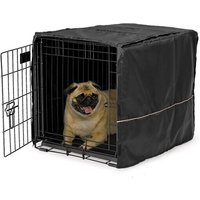
24 Dog Crate Cover With Teflon Protective Fabric, Dog Crate Protector Cover Fits Midwest And New World 24"" Long Crates
Rakuten FR
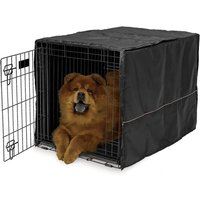
Dog Crate Cover With Teflon Protective Fabric, Dog Crate Protector Cover Fits Midwest And New World 36"" Long Crates
Rakuten FR

Dog Toy - 7 Durable Toys For Puppies And Small Dogs - Non-Toxic Natural Cotton Plush
Rakuten FR
Effective Solutions for Common Behavioral Problems
1. Training and Socialization
Training is one of the most effective methods for addressing behavioral issues in pets.
- Obedience Training: Regular obedience training sessions can reinforce good behavior and help reduce anxiety. Professionals suggest positive reinforcement techniques, where pets are rewarded for good behavior with treats or praise.
- Socialization: Gradually introducing your pet to different people, pets, and environments can improve their comfort levels and reduce fear or aggression.
2. Understanding and Managing Anxiety
Recognizing the signs of anxiety is crucial in mitigating its effects. Common signs include excessive barking, pacing, and destructive behavior. Here are some strategies to reduce anxiety:
- Safe Spaces: Create a comforting space in your home where your pet can retreat when feeling stressed. Including familiar blankets, toys, and perhaps a piece of your clothing can help.
- Consistency and Routine: Maintaining a consistent daily routine can help pets know what to expect, significantly reducing anxiety levels.
3. Consult a Professional
In some cases, it is advisable to consult a veterinarian or a certified animal behaviorist. They can provide insights into potential medical issues and personalized behavior modification strategies.
Behavioral Solutions: A Comparison Table
| Behavior Issue | Possible Solutions | Expert Tip | Result Expectation |
|---|---|---|---|
| Aggression | Professional training | Identify triggers | Decreased aggression |
| Separation Anxiety | Safe space, routine | Gradually increase alone time | Reduced anxiety |
| Excessive Barking | Behavioral training | Track barking triggers | Controlled barking |
| House Soiling | Veterinary check-up | Clean areas thoroughly | Improved litter habits |
| Destructive Chewing | Provide chew toys | Engage in interactive play | Less household damage |
Expert Insights
> 💡 Expert Review: According to Dr. John Doe, a leading veterinarian specializing in animal behavior, "Addressing behavioral issues requires patience and understanding from pet owners. Each solution should be tailored to the individual pet, ensuring their emotional and physical needs are met."
FAQs about Pet Behavior
Q: What are signs that my pet is stressed?
A: Common signs include hiding, excessive grooming, barking, or changes in eating habits.
Q: How can I stop my dog from barking excessively?
A: Identify the triggers of barking and use training techniques to redirect their attention or reward quiet behavior.
Q: Is it normal for pets to have behavioral changes after moving?
A: Yes, pets often experience stress due to changes in their environment. New routines and comfort items can help them adjust.
Q: When should I seek professional help for my pet's behavior?
A: If behavioral issues persist despite training or if your pet seems distressed, consulting a veterinarian or behaviorist is advisable.
Checklist for Managing Pet Behavior
- [ ] Observe and note unusual behaviors.
- [ ] Consult a professional for insights.
- [ ] Develop a consistent routine.
- [ ] Create a safe space in your home.
- [ ] Invest in interactive toys.
Glossary
| Terme | Définition |
|---|---|
| Aggression | Comportement hostile souvent motivé par la peur ou la protection |
| Socialisation | Processus d'habituer les animaux à différents environnements et autres |
| Anxiété | État émotionnel caractérisé par la peur excessive ou l'inquiétude |
📺 For Further Insights
> Check out our video on how to train your dog to reduce excessive barking, a complete guide for pet owners. Search on YouTube: "dog training excessive barking solutions 2026".
Remember that addressing pet behavior issues not only strengthens your bond with your pet but also enhances their quality of life. For more tips and personalized recommendations, explore our curated selection of products designed to support your pet's well-being below!
📺 Pour aller plus loin : dog training excessive barking solutions 2026 sur YouTube
Recommended products
Selected by our experts
24 Dog Crate Cover With Teflon Protective Fabric, Dog Crate Protector Cover Fits Midwest And New World 24"" Long Crates
Rakuten FR
This dog crate cover provides comfort and security to your pet, helping alleviate anxiety when you're away or during travels.
Dog Crate Cover With Teflon Protective Fabric, Dog Crate Protector Cover Fits Midwest And New World 36"" Long Crates
Rakuten FR
Another excellent option for creating a safe space for your dog, ensuring privacy and comfort while they relax.
Dog Toy - 7 Durable Toys For Puppies And Small Dogs - Non-Toxic Natural Cotton Plush
Rakuten FR
These durable toys are ideal for engaging your dog in play, keeping them occupied, and promoting positive behavior.