Table of Contents (10 sections)
Introduction
Pet obesity is a growing concern for many pet owners, as it significantly impacts the health and lifespan of pets. It's crucial to understand the causes and develop effective strategies for pet obesity prevention. In this article, we'll explore definitions, practical methods, and expert insights on managing this issue.
What is Pet Obesity?
Pet obesity refers to the excessive accumulation of body fat leading to a detrimental impact on health and well-being. It poses significant health risks, including diabetes, arthritis, and heart disease. According to Veterinary Pet Insurance (2025), approximately 56% of dogs and 60% of cats in the US are classified as overweight or obese. This highlights the importance of proactive pet obesity prevention.
How to Prevent Pet Obesity
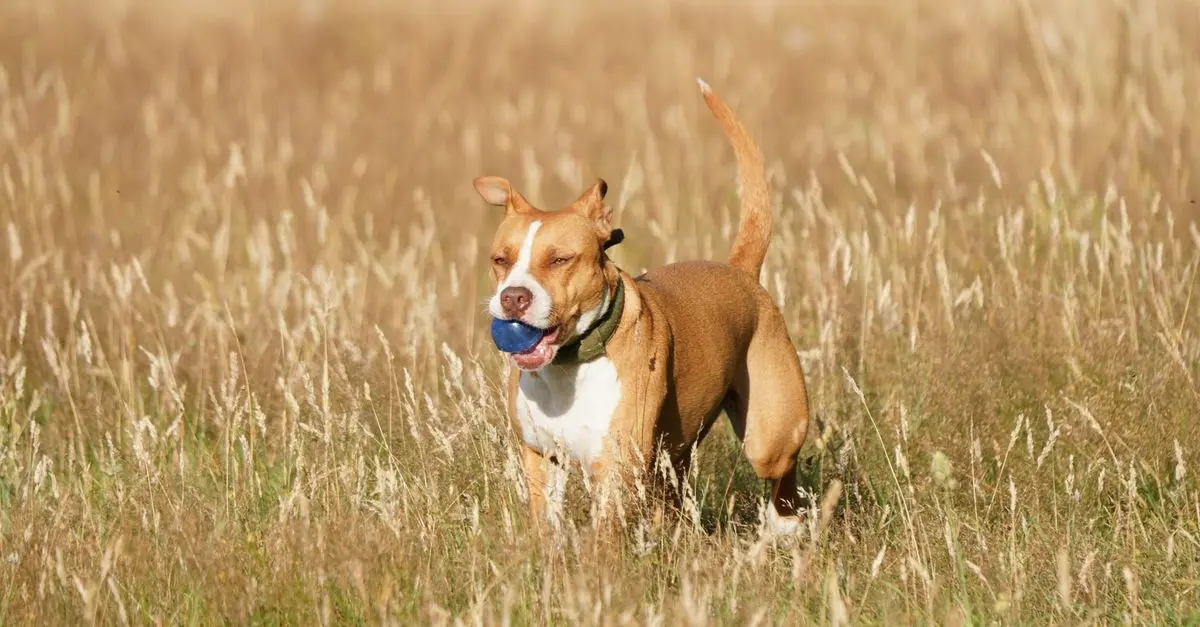
To prevent obesity in pets, it's crucial to focus on balanced nutrition and regular exercise. Start by consulting a veterinarian to tailor a diet plan based on your pet's breed, age, and activity level. Incorporate more playtime and walks into your pet's routine. Gradually increase the intensity and frequency of these activities to enhance muscle tone and energy expenditure.
Tips for Pet Obesity Prevention
- Provide a balanced diet recommended by veterinarians.
- Ensure daily physical activities such as walks, runs, or interactive play.
- Avoid overfeeding and adhere to portion control guidelines.
Comparative Analysis: Dry vs. Wet Pet Food
| Aspect | Dry Food | Wet Food | Raw Diet | Verdict |
|---|---|---|---|---|
| Moisture Content | Low | High | Varies | Wet food helps hydrate |
| Nutrient Density | High | Moderate | High | Raw diet is nutrient-rich |
| Cost | Affordable | Moderately priced | Expensive | Dry food is budget-friendly |
| Convenience | Easy storage | Requires refrigeration | Time-consuming | Dry and wet are convenient |
The Importance of Monitoring and Adjustment
Regular monitoring of your pet's weight and body condition score (BCS) is essential for managing obesity. Utilize tools like Purina's Body Condition System to assess your pet's physical condition. Adjust food portions and exercise routines according to the findings. Ensure consistency in monitoring to cultivate long-term health benefits.
💡 Avis d'expert : Dr. Sarah Lee, a leading veterinarian, emphasizes, "Routine weight checks and understanding feeding habits are key. Tailor your pet's diet and activity to maintain optimal body condition."
📺 Ressource Vidéo
> 📺 For further insight: How to Keep Your Pet Fit and Healthy, an in-depth analysis of pet obesity management. Search on YouTube: "pet fitness tips 2026".
FAQ about Pet Obesity
Q1: What are the common signs of obesity in pets?
- A1: Look for excessive weight gain, lethargy, difficulty breathing, and a lack of visible waist.
Q2: How often should I weigh my pet?
- A2: It's recommended to weigh your pet monthly to monitor any significant weight changes.
Q3: Can all pets follow the same diet plan?
- A3: No, diet plans should be customized based on the pet's age, breed, and health status.
Q4: Is table food harmful to pets?
- A4: Yes, table food can contribute to obesity and is often not nutritionally balanced for pets.
Glossary
| Term | Definition |
|---|---|
| Pet Obesity | A condition characterized by excessive fat accumulation affecting health. |
| Body Condition System (BCS) | A scale system used by veterinarians to assess the body fat of pets. |
| Nutrient Density | Measurement of nutrients provided relative to the caloric content. |
Checklist for Preventing Pet Obesity
- [ ] Consult with a veterinarian about optimal pet diet
- [ ] Implement regular exercise schedule
- [ ] Monitor pet's weight monthly
- [ ] Adjust food portion as needed
- [ ] Avoid feeding high-calorie human foods
🧠 Quiz rapide : What is a key factor in preventing pet obesity?
- A) Increasing treats
- B) Regular exercise
- C) Irregular feeding
Réponse : B — Regular exercise helps manage energy balance and promote health.