
Table of Contents (7 sections)
Pet nutrition is critical for the health and happiness of our furry companions. Proper nutrition not only supports pet wellness but also prevents various health issues and extends their lives. In this guide, we will explore the fundamental principles of pet nutrition and offer step-by-step instructions for embracing a nutritionally balanced diet for your pets.
1. Understanding Pet Nutrition: What You Need to Know
What is Pet Nutrition?
Pet nutrition involves providing your pets with the essential nutrients they require for growth, energy, and optimal health. This includes a balanced diet consisting of proteins, carbohydrates, fats, vitamins, and minerals. Each of these nutrients plays a unique role in supporting bodily functions and maintaining overall health. For example, proteins are essential for tissue repair and muscle health, while carbohydrates provide a readily available source of energy.
According to the Association of American Feed Control Officials (AAFCO), a pet food must meet specific nutrient profiles to be considered complete and balanced. This ensures that pets receive all necessary nutrients through their diet. It is crucial to select high-quality pet food that adheres to these nutritional standards to promote your pet’s health.
The American Veterinary Medical Association emphasizes that poor nutrition can lead to obesity, poor coat condition, and even chronic diseases. In fact, studies from Pet Obesity Prevention indicate that nearly 60% of dogs and 56% of cats in the U.S. are classified as overweight or obese. This underscores the importance of understanding and implementing proper pet nutrition in your daily care routine.
2. Step-by-Step Guide to Feeding Pets Right
Step 1: Assess Nutritional Needs
Before selecting a diet for your pet, consider their species, breed, age, weight, and health status. Puppies and kittens have different dietary requirements compared to adult pets, as they need higher levels of protein and calories for growth. For example, a growing puppy may require food formulated specifically for its developmental stage.
For an adult dog, factors such as activity level and health conditions play a critical role in determining their nutritional needs. Pets with higher activity levels may benefit from increased protein and fat content, while senior pets often require less-calorie-dense diets with joint-supporting nutrients.
Step 2: Choose Quality Ingredients
Select pet food that contains high-quality, named animal proteins (like chicken, beef, or fish) as the primary ingredient. Avoid foods that list unnamed meat by-products or filler ingredients such as corn and soy as primary components. According to studies, foods high in whole ingredients provide better nutritional value for your pet.
Always check for certification from reputable organizations such as the AAFCO, which indicates the food has been evaluated for nutritional adequacy. Make informed choices based on ingredient lists and avoid foods high in artificial preservatives, colors, or flavors.
Step 3: Develop a Feeding Schedule
Establish a regular feeding schedule to prevent overeating and regulate digestion. Adult pets typically do well with two meals per day, while puppies may require three to four smaller meals daily. Be consistent with meal times and monitor portions to ensure pets are maintaining a healthy weight.
Utilize measuring cups or a food scale to accurately portion your pet’s meals based on the serving recommendations indicated on the packaging. Regular weigh-ins at home or during veterinary visits can help track your pet's weight and ensure they're not gaining or losing too much.
Step 4: Monitor Hydration
Hydration is just as important as nutrition. Ensuring that your pet has access to fresh, clean water at all times is vital for their health. Hydration needs may vary with activity level and environmental conditions; therefore, keep a close eye on your pet's water intake, especially during warmer months or after exercise.
Step 5: Consider Supplementation
While a balanced diet is crucial, some pets may benefit from dietary supplements. Discuss with your veterinarian before introducing supplements to ensure they align with your pet’s specific health needs and do not interfere with their regular diet.
For example, omega-3 fatty acids can support skin health and joint function. Probiotics can aid in gut health and digestion, especially in pets with sensitive stomachs or health conditions.
3. Common Pet Nutrition Misconceptions
It’s easy to get overwhelmed with the vast amount of information found online regarding pet nutrition, which can lead to common misconceptions. Let’s explore some myths:
| Misconception | Reality | Impact | Recommendation |
|---|---|---|---|
| Pets can eat only vegetarian diets | Dogs are omnivores, while cats need animal protein for specific nutrients. | Lack of proper nutrients can lead to health issues. | Always choose species-appropriate diets. |
| All pet food brands are the same | Quality varies greatly between brands. | Low-quality diets can jeopardize health. | Research and choose brands that meet standards. |
| Human food is always bad for pets | Some human foods are safe (e.g., cooked vegetables) while others are toxic (e.g., chocolate). | Misconceptions can lead to accidental toxicity. | Learn which foods are safe and which to avoid. |
4. Frequently Asked Questions
Q: How much should I feed my pet?
A: It depends on your pet's size, age, and activity level. Always refer to feeding guidelines on pet food packaging.
Q: Is it okay to give my pets table scraps?
A: Only some scraps are safe; consult a vet and avoid foods toxic to pets.
Q: How can I tell if my pet is overweight?
A: Look for signs like difficulty in grooming and measuring waist circumference. Regular weigh-ins are essential.
Q: Are vitamins necessary for my pets?
A: Generally, a balanced diet suffices, but some pets may benefit from supplements; consult a veterinarian for personalized advice.
5. Checklist for Pet Nutrition
- [ ] Assess your pet's nutritional needs.
- [ ] Choose high-quality ingredients.
- [ ] Develop a regular feeding schedule.
- [ ] Monitor your pet's water intake.
- [ ] Consult with your vet about supplementation.
Glossary
| Term | Definition |
|---|---|
| Essential Nutrients | Nutrients that the body cannot synthesize and must be obtained from diet. |
| Balanced Diet | A diet that provides all necessary nutrients in adequate amounts. |
| Bioavailability | The degree to which nutrients are absorbed and utilized in the body. |
> 📺 For further exploration: Comprehensive Overview of Pet Nutrition, an in-depth tutorial on feeding your pets right. Search on YouTube:
pet nutrition guide 2026.
In conclusion, understanding and implementing proper pet nutrition is key to ensuring that your furry friends lead healthy, vibrant lives. If you are considering adjustments to your pet's diet, remember to consult with a veterinary professional for tailored advice. Explore our curated recommendations below to enhance your pet-care regime!
📺 Pour aller plus loin : pet nutrition guide 2026 sur YouTube
Recommended products
Selected by our experts
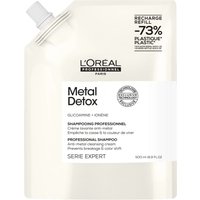
Shampoing détoxifiant Metal Detox rechargeable - Recharge 500ml - L'Oréal Professionnel
Blissim FR
This detoxifying shampoo is ideal for keeping your pet's skin healthy and invigorated, ensuring overall wellness.

Coffret trio crèmes mains - Caudalie
Blissim FR
This hand cream trio is perfect for pet owners looking to maintain their hands after grooming or caring for their pets.
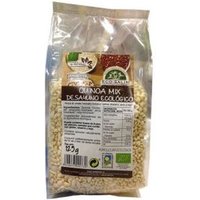
Mélange de quinoa pour petit-déjeuner Eco-Salim 125g
DocMorris FR (ex DoctiPharma FR)
These healthy snack options for pets offer a nutritional boost, providing essential vitamins and minerals.