Table of Contents (11 sections)
Whether you're planning a short road trip or a long-haul flight, ensuring your pet is safe and comfortable is crucial. Here's a comprehensive guide broken down into actionable steps to guarantee a smooth journey for both you and your pet.
Preparing Your Pet for Travel
Before you embark on your journey, it's essential to acclimate your pet to travel conditions. Begin by introducing your pet to car rides if they aren't accustomed to it. Take short drives around your neighborhood and gradually increase the duration. This will help minimize travel anxiety.
💡 Expert Tip: Consider 'training your pet to be comfortable in its carrier' as a part of your preparation. This can involve leaving the carrier open in a familiar space at home, so your pet associates it with a safe environment.
Planning is pivotal. Make sure your pet's ID tags are up to date and consider microchipping as an added precaution. Unexpected surprises, like facing new environments, can be overwhelming for pets but preparing in small steps can make a big difference.
Choosing the Right Carrier
A pet carrier is not just a travel accessory; it's a necessity for safety. When selecting a carrier, ensure that it's spacious enough for your pet to turn around and lie down comfortably. It should also be well-ventilated and sturdy.
Factors such as the material of the carrier and its portability should influence your decision. Soft-sided carriers are ideal for car travel, while hard-sided ones might be more suitable for flights due to their durability. According to the American Veterinary Medical Association (AVMA), a well-designed carrier should be secure and comfortable, reducing stress for your pet during transit.
🔍 Consideration: Ensure the carrier is compliant with aviation rules if flying.
Packing Essentials for Your Pet
Like any traveler, your pet needs a well-stocked bag for the journey. Essential items include food, water, and any medications your pet takes regularly. Don't forget a familiar toy or blanket, which can provide comfort in unfamiliar settings.
Pack in small containers to save space and resealable bags to keep things organized. An additional tip is to carry a pet first aid kit, which includes items like bandages, antiseptic wipes, and gauze. PetMD suggests always checking expiration dates on medications before packing.
Managing Health and Safety
Before traveling, consult your veterinarian to ensure your pet is fit for travel. Ensure vaccinations are up-to-date and request for any health certifications needed for your destination.
Some pets may suffer from travel-induced anxiety or motion sickness. Consider anti-anxiety aids or motion sickness medications, but only after consulting a vet. Veterinary Centers of America advise that certain natural supplements can help relax pets without side effects.
Road Trip Safety Tips
When hitting the road, safety is paramount. Use a pet seatbelt or attach the carrier securely to the car. Frequent breaks are crucial, allowing your pet to stretch and relieve themselves.
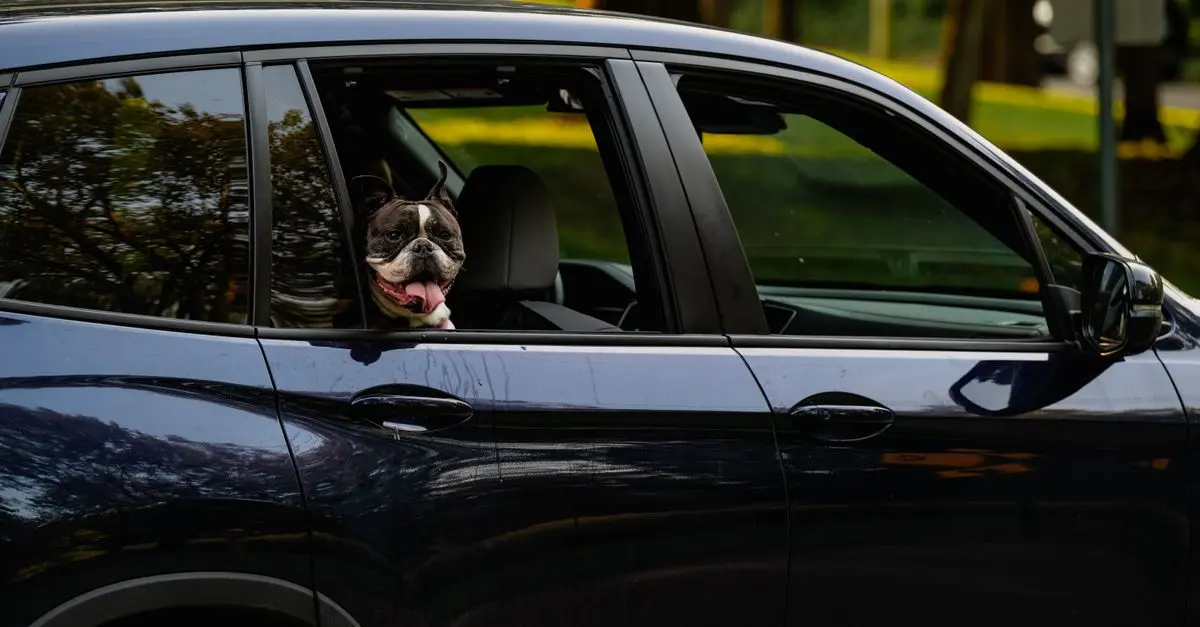
Long drives can result in dehydration, so ensure your pet has access to water. Never leave your pet alone in the car, especially in extreme temperatures. Even with windows cracked, cars can become dangerously hot or cold.
Air Travel Considerations
Flying with pets requires more planning. Airlines have specific requirements for pet travel, including carrier dimensions. Book a direct flight to minimize the time your pet spends in transit, and aim for non-peak times for less crowded environments.
📺 For further insights: The Essential Guide to Pet Air Travel explains crucial preparation steps for any flight with your animal companion. Search YouTube: "pet air travel guide 2026".
Some airlines allow pets in the cabin, depending on size and breed restrictions. Always confirm these details beforehand to avoid any issues at the airport.
Comparing Travel Options
Below is a comparison of various pet travel methods:
| Feature | Road Trips | Air Travel | Rail Travel | Public Transit |
|---|---|---|---|---|
| Cost | Low | Varies | Moderate | Low |
| Convenience | High | Moderate | High | Low |
| Travel Duration | Varies | Short | Varies | Short |
| Comfort for Pets | High | Moderate | High | Low |
- How can I help my pet with motion sickness?
Anti-anxiety medications or herbal supplements can help, but always consult a vet.
- What should I do if my pet gets anxious during travel?
Familiarize them with the carrier and travel environment beforehand. Comfort items and treats can also soothe them.
- Are there specific ID tags I should use when traveling?
Use tags with your contact information and, if possible, the address of your travel destination.
- When is the best time to feed my pet before a journey?
Feed them a light meal a few hours before travel to prevent motion sickness.
Glossary
| Term | Definition |
|---|---|
| Carrier | A portable enclosure for transporting pets |
| Crate | A durable enclosure often used in air travel |
| Microchipping | Implanting an identification chip under the pet's skin |
🧠 Quiz rapide : What is a crucial item to pack for your pet?
- A) Snacks
- B) A pet first aid kit
- C) Newspaper
Réponse : B — A pet first aid kit ensures you're prepared for minor incidents.